

Jon Levitan is a student at Harvard Law School and a member of the Labor and Employment Lab.
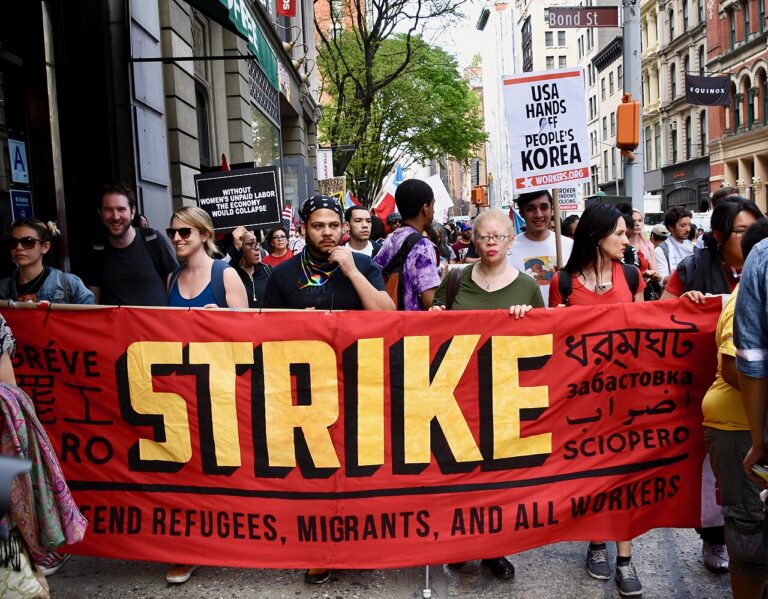
Workers at the New Yorker union have won their fight for a just cause provision. For the first time in the magazine’s 95 year history, its workers will not be at-will employees, and have a guarantee that they will only be disciplined or fired for cause. While negotiations for a final contract are ongoing, both management and the union have confirmed that a just cause provision will be included in the contract. The agreement came as the union staged a digital picket around the New Yorker festival – the picket was called off after the agreement. Pressure on management grew when Representative Alexandra Ocasio Cortez and Senator Elizabeth Warren pulled out of the festival last week, saying they would not cross a picket line. The union’s president, Susan DeCarava, said that the expression of solidarity from the politicians was crucial: “I do want to give some credit to management at The New Yorker for finally being able to listen and hear what their employees were saying and how important it was…I think the involvement of Representative Ocasio-Cortez and Senator Warren helped them hear us a little bit better.”
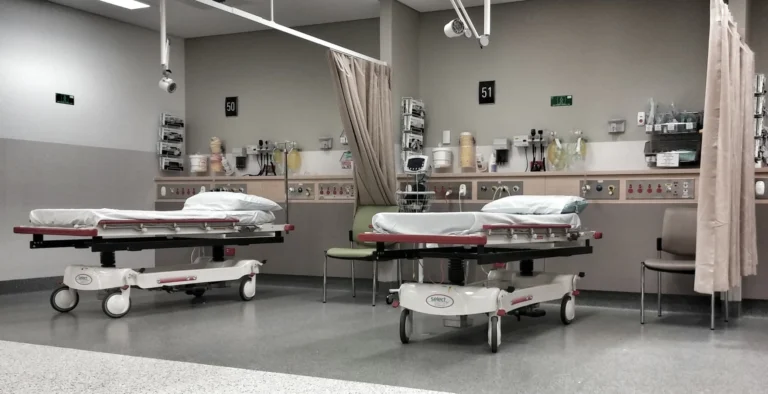
More than 6 months into the pandemic, nurses are beginning to assert their labor power more and more frequently. According to Michael Sainato, writing for the The American Prospect, “[t]housands of nurses and hospital workers around the U.S. are either participating in or have voted to authorize strikes.” The strikes, and strike authorization votes, have generally tended to focus around bread-and-butter workplace issues. For example, over 1,000 nurses in California, represented by SEIU local 1021, authorized a strike after 9 months of have proved fruitless, with management insisting on wage freezes and cuts to benefits. But the pressures of the pandemic are having an impact on the fights. In Albany, over 2,000 nurses in the New York Nurses Association have authorized a strike after management at Albany Medical Center froze wages and cut hours during the pandemic. Jennifer Bejo, one of the nurses at Albany Medical Center, said “nurses are getting burned out working through meal times and breaks…We are constantly putting our nurses and patients at risk in these working conditions with less support. Now more than ever we need a contract.”
Also for The American Prospect, Alexander Sammon writes about the “also the most expensive ballot proposition…in the entire history of the United States,” Uber and Lyft’s Proposition 22 in California. Proposition 22 would exempt rideshare drivers from California’s AB5 – the law that makes it much more difficult for employers to misclassify workers as independent contractors rather than employees. And it would make the exemption permanent, requiring a virtually impossible seven-eights majority vote of the legislature to amend the proposition. Gig companies, led by Uber and Lyft, have spent over $184 million on the campaign, but that’s small potatoes compared with the costs they would incur by actually complying with labor law: “refusal to pay into the state’s unemployment insurance fund has saved Uber and Lyft a combined $413 million since 2014” and a UC Berkeley Labor Center Study “estimates the average wage under Prop 22 as low as $5.64 an hour, a drastic pay cut from the $13 minimum wage they would be guaranteed as employees.
Though polling is tight, Professor Veena Dubal sounded the alarm for what a victory for Proposition 22 would mean: “[i]f it becomes clear you can buy any law with $180 million, then a lot more industries will head down this route, turning good jobs to bad jobs, full-time teaching to all substitutes, unionized nursing to precarious contract nursing gigs. The way they’ve worded it is such that it will spread beyond the delivery industry, literally formalizing all the exploitation that happens in the informal economy … it’s the biggest threat since the 1930s that America has seen to the social safety net, minimum wage, and access to secure pay.”


Daily News & Commentary
Start your day with our roundup of the latest labor developments. See all
February 2
Amazon announces layoffs; Trump picks BLS commissioner; DOL authorizes supplemental H-2B visas.
February 1
The moratorium blocking the Trump Administration from implementing Reductions in Force (RIFs) against federal workers expires, and workers throughout the country protest to defund ICE.
January 30
Multiple unions endorse a national general strike, and tech companies spend millions on ad campaigns for data centers.
January 29
Texas pauses H-1B hiring; NLRB General Counsel announces new procedures and priorities; Fourth Circuit rejects a teacher's challenge to pronoun policies.
January 28
Over 15,000 New York City nurses continue to strike with support from Mayor Mamdani; a judge grants a preliminary injunction that prevents DHS from ending family reunification parole programs for thousands of family members of U.S. citizens and green-card holders; and decisions in SDNY address whether employees may receive accommodations for telework due to potential exposure to COVID-19 when essential functions cannot be completed at home.
January 27
NYC's new delivery-app tipping law takes effect; 31,000 Kaiser Permanente nurses and healthcare workers go on strike; the NJ Appellate Division revives Atlantic City casino workers’ lawsuit challenging the state’s casino smoking exemption.